USA & Canada: +1-800-752-1017
International : +1 828-210-4754


Gift Card Consumer Spending: An Insight into Spending Behavior

Gift cards have evolved into a key part of the American consumer landscape, appreciated for their flexibility, convenience, and ability to cater to various tastes. For businesses, understanding how consumers decide on their gift card purchases is critical for crafting a better gift card program, creating gift card promotions, customer rewards and employee incentive programs. While gift cards are considered practical, the decisions driving their purchase is more than just surface level thinking – it's a psychological behavior worth investing in to better understand to exceed sales gains.
Why Gift Cards Drive More Spending: A Look into Consumer Preferences
Gift cards encourage discretionary spending that would otherwise not occur with cash rewards. Several psychological factors explain why:
1. Perceived Value and Emotional Appeal
For consumers, gift cards often represent luxury or leisure, particularly when the card is from a retailer associated with lifestyle or experiential products. Instead of blending into the routine financial landscape, gift cards feel like a permission slip for a small splurge.
From a business perspective, the perceived value of a gift card can be heightened by branding it as an opportunity to create a special experience. For example, a high-end retail gift card is not just a monetary token but an invitation to indulge in something memorable. 58% of people buy gift cards for self-use. This reflects the indulgent nature of gift cards, where people purchase them not just for gifting but also to enjoy a treat for themselves.
2. Freedom and Choice Within Limits
Gift cards offer flexibility within a specific range, making them ideal for both consumers and businesses. Consumers appreciate the freedom to choose what they want while staying within the boundary set by the retailer. This choice elevates the gift card’s value as it aligns with the consumer’s desires, enhancing satisfaction.
Businesses can benefit from this too: by strategically selecting gift card options that align with customer preferences, they can create a highly personalized reward experience that’s easy to implement but impactful on customer loyalty.
3. Decoupling from Everyday Spending
Unlike cash, which may get absorbed into daily expenses, gift cards are seen as “extra” money, decoupled from regular financial obligations. This decoupling is key for businesses, as it encourages consumers to spend gift cards on “wants” rather than “needs,” often resulting in higher-value purchases.
When a consumer receives a gift card, they are less likely to mentally categorize it as part of their income and more likely to treat it as a special bonus, perfect for purchases they might otherwise hesitate to make..
Factors That Influence Gift Card Purchase Decisions
Gift card purchasing decisions are shaped by a variety of factors. Understanding these motivators can help businesses develop gift card programs that resonate with customers.
1. Occasion-Based Demand
Gift cards are often bought for special occasions, including holidays, birthdays, and anniversaries. Businesses can maximize sales by strategically timing their gift card promotions around major holiday seasons.
For example, during the winter holidays, retailers can emphasize the convenience and universality of gift cards as ideal gifts for family and friends with diverse interests.
2. Relationship with the Recipient
Gift card purchases are influenced by the relationship between the buyer and the recipient. 93% of American customers have given or sent a gift card, and 84% enjoy receiving them. Close family and friends might receive gift cards for specific brands that match their tastes, while colleagues or acquaintances might receive more general options, such as popular retail or dining chains.
Businesses that understand this distinction can tailor their gift card offerings accordingly, giving customers a range of options for both close and distant relationships.
3. Consumer Preferences for Convenience
Gift cards are popular because they simplify the process of giving and receiving gifts. 52% of consumers purchase gift cards due to their convenience. For time-strapped consumers, gift cards offer a versatile solution that doesn’t require extensive thought or research. The ease of use is another reason gift cards maintain high customer satisfaction rates, benefiting businesses in terms of brand perception and customer retention.
How Gift Cards Are Spent
Once in hand, gift cards behave differently from cash. Consumers tend to:
Spend Beyond the Value
Gift card recipients, regardless of the gift card's value, are generally inclined to spend beyond its original amount. Consumers consistently exceed gift card values, with 61% spending an average of $31.75 beyond the card balance. Gift cards not only offer flexibility but also encourage additional purchases, as recipients frequently choose to top up their card balances or buy new ones.
Make More Fun or Indulgent Purchases
Since gift cards feel less like income and more like a reward, recipients often treat themselves. A gift card from a department store, for instance, is more likely to be spent on new clothes than on household necessities.
Delayed Redemption
Some consumers wait for the perfect occasion to use a gift card, often holding onto them until they want to splurge or make a larger purchase.
Key Takeaways for Businesses
Gift cards offer a wealth of benefits to businesses beyond simple convenience. With the right approach, gift card programs can drive higher revenue, increase customer loyalty, and enhance brand perception. Here’s how:
- Maximize Perceived Value: Position gift cards as experiences or indulgent treats, which consumers are likely to appreciate and remember positively.
- Encourage Higher Spending: Structure gift card programs to align with items or services that encourage consumers to spend beyond the card’s initial value.
- Drive Engagement with Personalization: Offer different gift card options, so customers can choose based on their relationship with the recipient, increasing the perceived personalization of the gift.
Gift cards have solidified their place as a preferred gift option for many consumers in the United States. The decision to buy a gift card is influenced by various factors, including the occasion, the relationship with the recipient, and the perceived value of the gift card itself. As the gift card market continues to grow and evolve, understanding consumer behavior will be key for businesses looking to capitalize on this trend.
Reference:
Gift Cards Are More Popular Than Ever – BHN Rewards
Gift Card Industry Statistics – Gitnux
Gift Card Trends and Consumer Preferences – Payments Dive
Gift Card Statistics – Capital One Shopping Research
About Plasticard – Locktech International
PLI is the largest Closed Loop Gift, Loyalty and Hospitality card manufacturer in North America. PLI has been in business for over 30 years, specializing in end-to-end card marketing solutions including card production, design, packaging, displays, consulting and fulfillment services and capabilities. PLI has three manufacturing facility locations including two in Las Vegas, NV and one in Asheville, NC.
Recent
Valentine's Day gift cards usually appear in stores a few weeks before February 14th, but the programs behind them take shape much earlier. Designs, finishes, packaging and displays all need to come together before the selling season begins.
19 Oct 2026
Gift card fraud continues to challenge brands and retailers, making security and tamper prevention an important part of today’s gift card programs. At this year’s RGCA in Denver, PLI brought a new solution to the conversation with the debut of PLISeal™.
13 Oct 2026
The gift card industry came together in Denver for the RGCA Forum, bringing brands, retailers and industry partners together to explore the trends, challenges and opportunities shaping the future of gift cards.
13 Oct 2026
This month, we're recognizing Ricardo Herrera as our Employee Spotlight for the month of October at our LV2 location.Ricardo is motivated by helping his team improve, solving problems, and seeing the results of their hard work.
1 Oct 2026
PLI is proud to recognize Joanna Valentin as our Employee Spotlight for the month of October at our LV1 location. Jojo is motivated by her family and takes pride in knowing that her hard work helps provide for them.
1 Oct 2026
PLI is proud to recognize Christopher Davis as our Employee Spotlight for the month of October at our Asheville location. Christopher is motivated by the opportunity to contribute wherever help is needed and values the strong teamwork he shares with his coworkers.
1 Oct 2026
Behind every order completed, challenge solved, and goal achieved is a team of dedicated employees working together to keep operations moving forward.
17 Sep 2026
PLI has surpassed 1 billion RFID cards produced since 2015, a milestone that reflects more than a decade of growth, innovation, and customer partnership.
3 Sep 2026
Newsroom
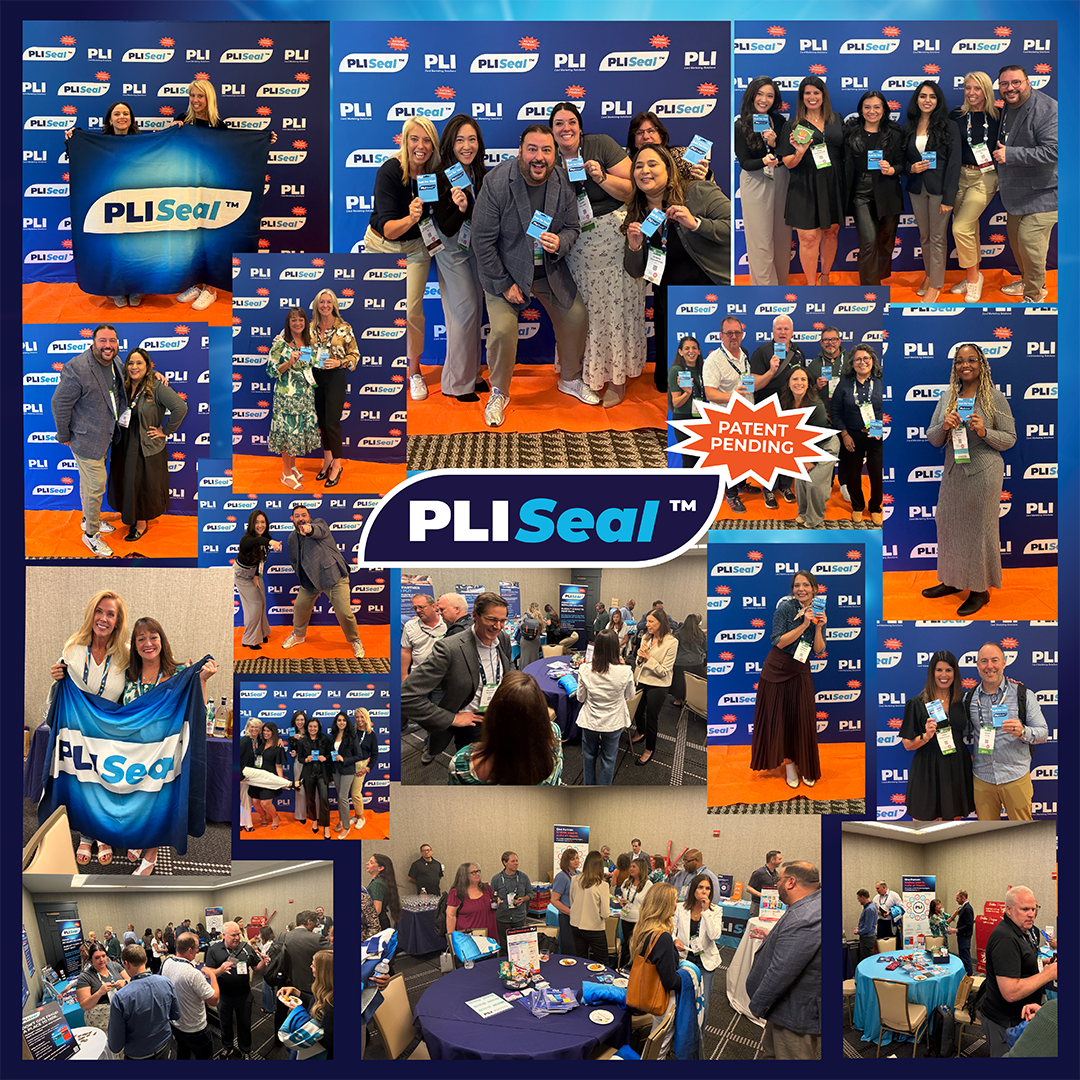
PLISeal™ Makes Debut at 2026 RGCA Forum
Gift card fraud continues to challenge brands and retailers, making security and tamper prevention an important part of today’s gift card programs. At this year’s RGCA in Denver, PLI brought a new solution to the conversation with the debut of PLISeal™. | 13 Oct 2026

PLI Makes an Impact at the 2026 RGCA Forum
The gift card industry came together in Denver for the RGCA Forum, bringing brands, retailers and industry partners together to explore the trends, challenges and opportunities shaping the future of gift cards. | 13 Oct 2026

October Employee Spotlight: Ricardo Herrera | LV2
This month, we're recognizing Ricardo Herrera as our Employee Spotlight for the month of October at our LV2 location.Ricardo is motivated by helping his team improve, solving problems, and seeing the results of their hard work. | 1 Oct 2026
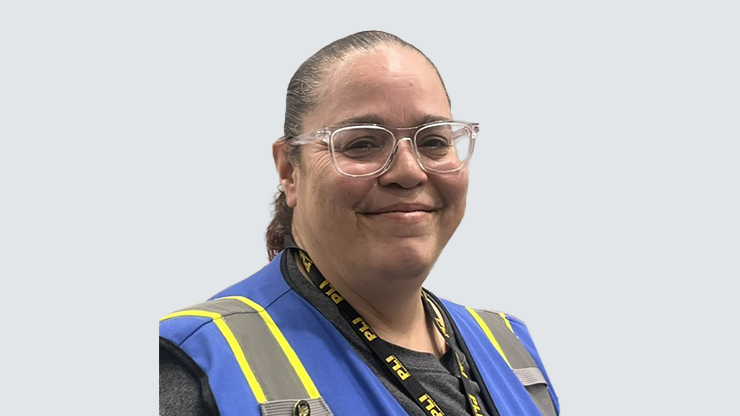
October Employee Spotlight: Joanna Valentin | LV1
PLI is proud to recognize Joanna Valentin as our Employee Spotlight for the month of October at our LV1 location. Jojo is motivated by her family and takes pride in knowing that her hard work helps provide for them. | 1 Oct 2026

October Employee Spotlight: Christopher Davis | AVL
PLI is proud to recognize Christopher Davis as our Employee Spotlight for the month of October at our Asheville location. Christopher is motivated by the opportunity to contribute wherever help is needed and values the strong teamwork he shares with his coworkers. | 1 Oct 2026
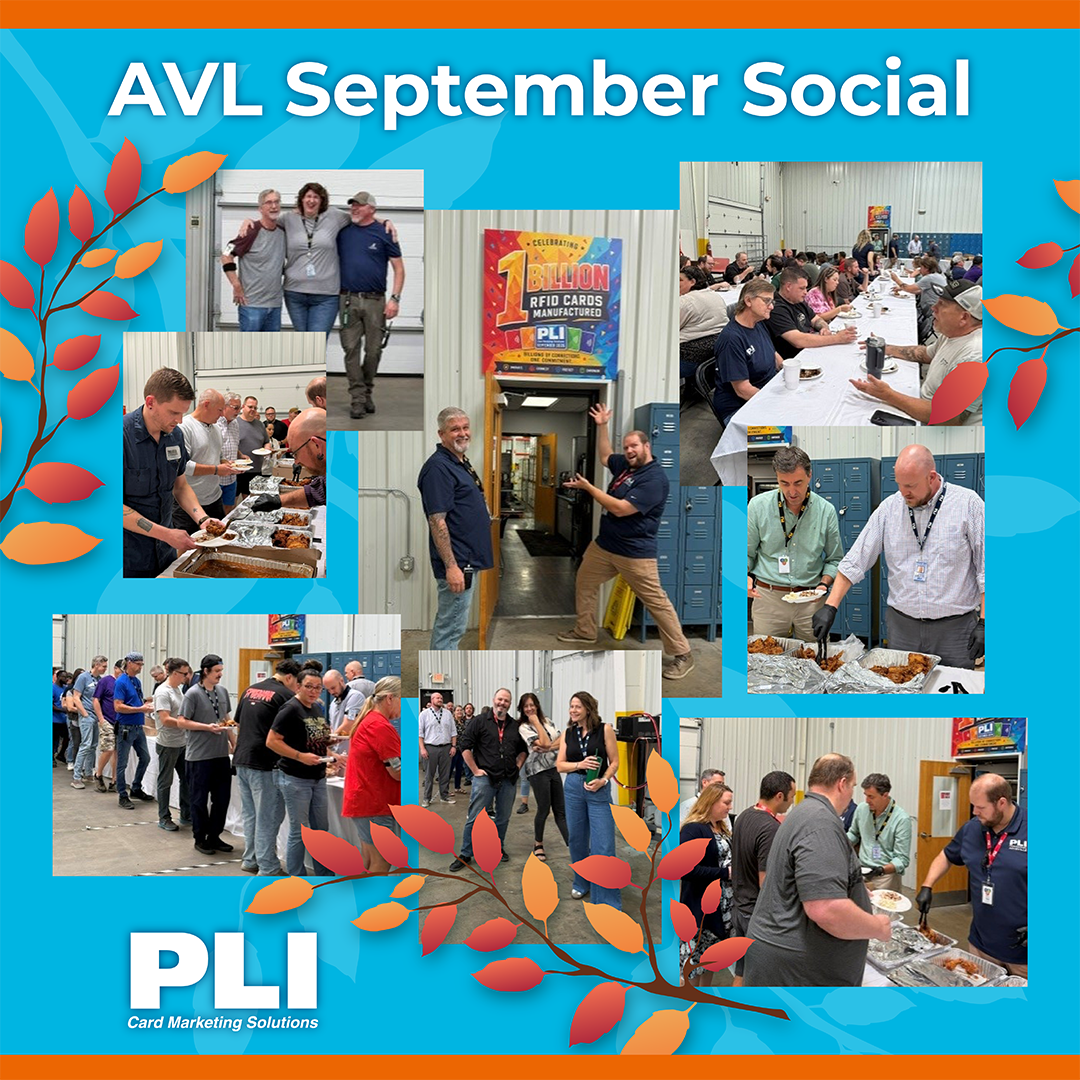
Asheville September Social Brings Employees Together
Behind every order completed, challenge solved, and goal achieved is a team of dedicated employees working together to keep operations moving forward. | 17 Sep 2026
One Billion RFID Cards and Counting: PLI Reaches Major Manufacturing Milestone
PLI has surpassed 1 billion RFID cards produced since 2015, a milestone that reflects more than a decade of growth, innovation, and customer partnership. | 3 Sep 2026
A Labor Day Message from Our CEO
Labor Day is a chance to recognize the people who make our success possible. Every day, employees across PLI bring commitment, hard work, and determination to do things the right way. Those efforts make a difference for our customers and help move our company forward. | 3 Sep 2026
Headquarters Location
1030 E. Craig Road N. Las Vegas, NV 89030Get DirectionsUSA & Canada: 1-800-752-1017
International: +1 828-210-4754


Quick Links


Copyright © and ™ Plasticard-Locktech International. All Rights Reserved.